Morning,
May, June & to some extent July, are brilliant months to be a fly angler.
They're also, if you run a fly fishing business, the months where you spend most of your time not fishing.
I won't pretend otherwise. Right now, between orders, emails, and everything else that comes with the busy season, my fishing happens in stolen hours - early morning before the orders start, or an evening rise if I'm lucky. An hour and a half, maybe two. So the flies I pick for those sessions matter, there's no time to experiment. I want patterns I know I can trust.
Outside of Mayfly time, that means caddis - it almost always means caddis!
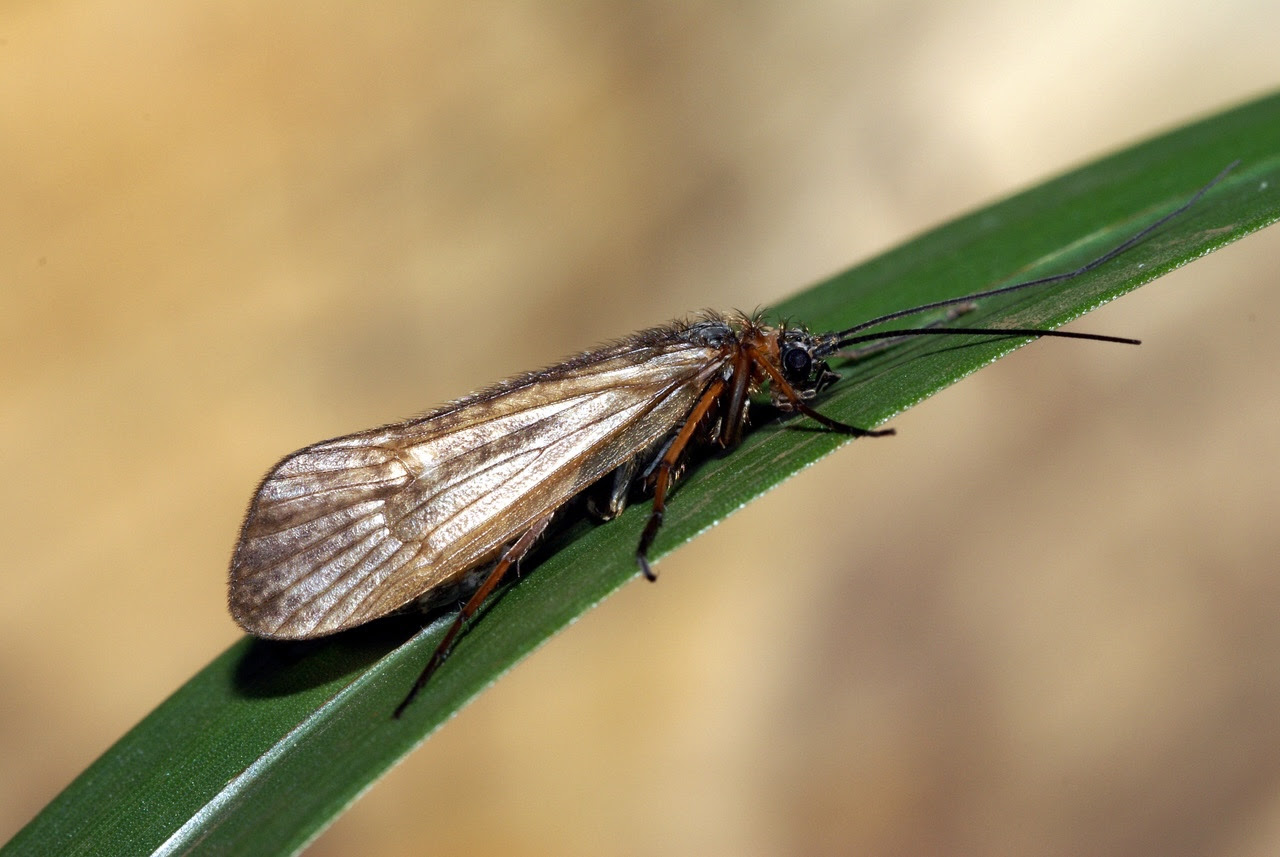
Sedge or Caddis - call it what you will - is the most consistently fishable hatch on most UK rivers through May, June and into July. It starts in the evenings, it brings fish up that nothing else will, and unlike the mayfly, it doesn't care whether you've got a prestigious beat or a stretch of scruffy boulder-strewn river. It just happens.
So here's what I've put together: a Specialist Caddis Selection built around the three dry patterns I actually use (my bankers).
I've called it the Specialist Caddis Selection - it contains 16 flies, and it's perfect for those stolen hours during May & June. It contains:

Rolls Royce Caddis - Sizes 14, 16 & 18 (2 of each)
The name's not subtle, but it earns it. When fish are being selective and the standard patterns are getting refused, this one tends to get takes. The size 18 is particularly useful later in the evening when fish are quietly sipping and you need something a touch more delicate.

Indicator Caddis - Sizes 14 & 16 (2 of each)
The workhorse. High-floating, easy to see in broken water, and it lands well. If I had one caddis pattern to fish all spring & summer, this would be it.

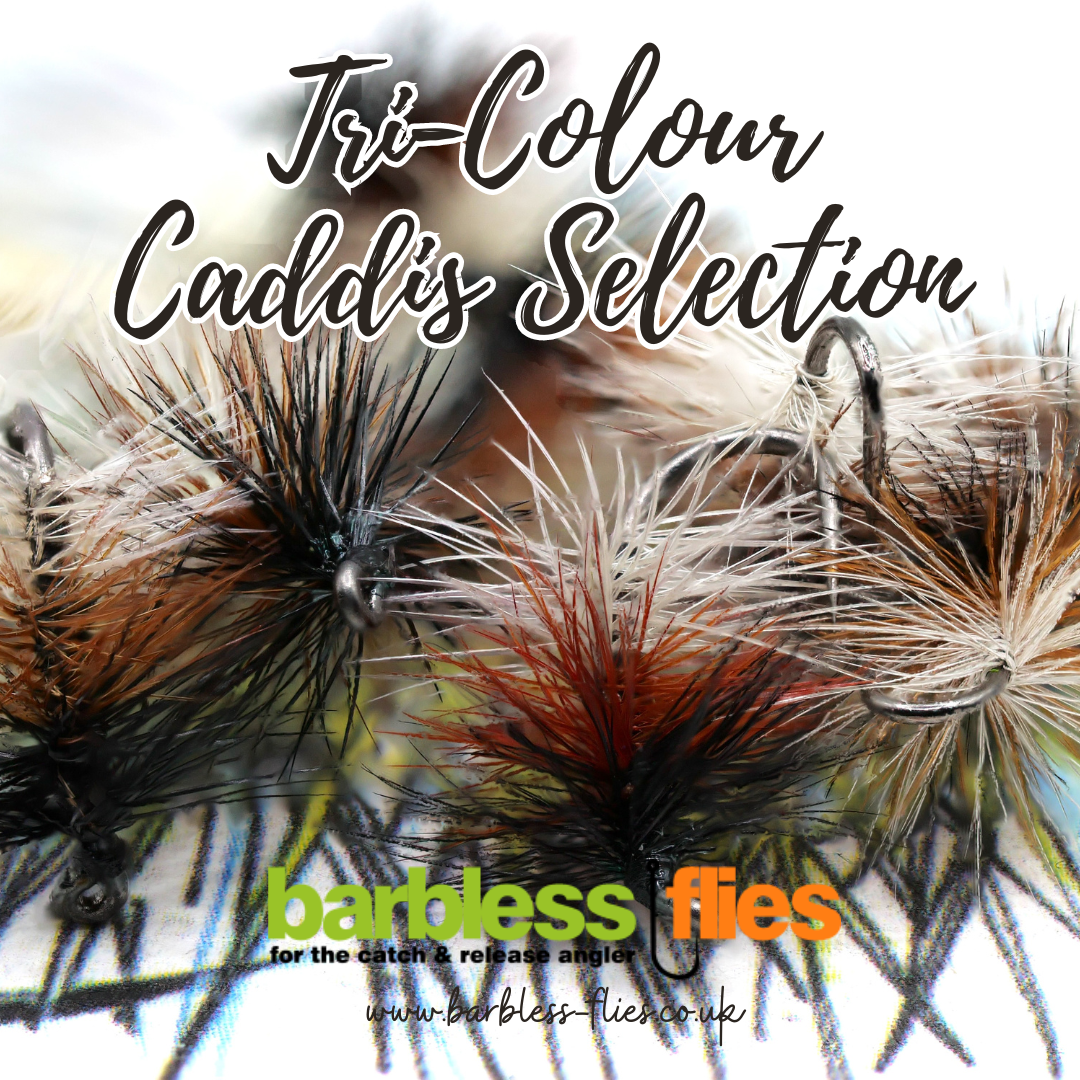
Tri-Colour Caddis - Sizes 12, 14 & 16 (2 of each)
This one needs a bit of explaining. It's a French pattern - you won't find it in many UK fly boxes - and it rides extraordinarily high on the water. In fast, broken water where other patterns are half-drowned before they've drifted a foot, this one just sits there and floats. I added it to the range because I couldn't find it anywhere else in the UK, and I think that's a genuine oversight on the part of the UK fly fishing trade.

If you fish caddis regularly, you know you can never have enough of them. They get chewed, they get waterlogged, they disappear into the grass on the back cast (I blame dodgy knots). Sixteen flies into a good caddis evening is not as many as it sounds.
Altogether, that's 16 flies across three patterns - enough to cover an evening's fishing without worrying about what you're putting on. The selection is only £24.00 (bought separately it would be £29.20) and includes FREE delivery to anywhere in the UK, and they're available now.
One other thing worth knowing: each of these patterns is also available as its own dedicated selection if one of them particularly takes your fancy. So if after a few sessions you find yourself reaching for the Rolls Royce every time, or you get through your Tri-Colours at an alarming rate, you can top up on just that pattern rather than buying the full set again.


Keep reading for more info on the Caddis/Sedge - you'll be glad you did ...
Want to know a little more about the Caddis/Sedge?
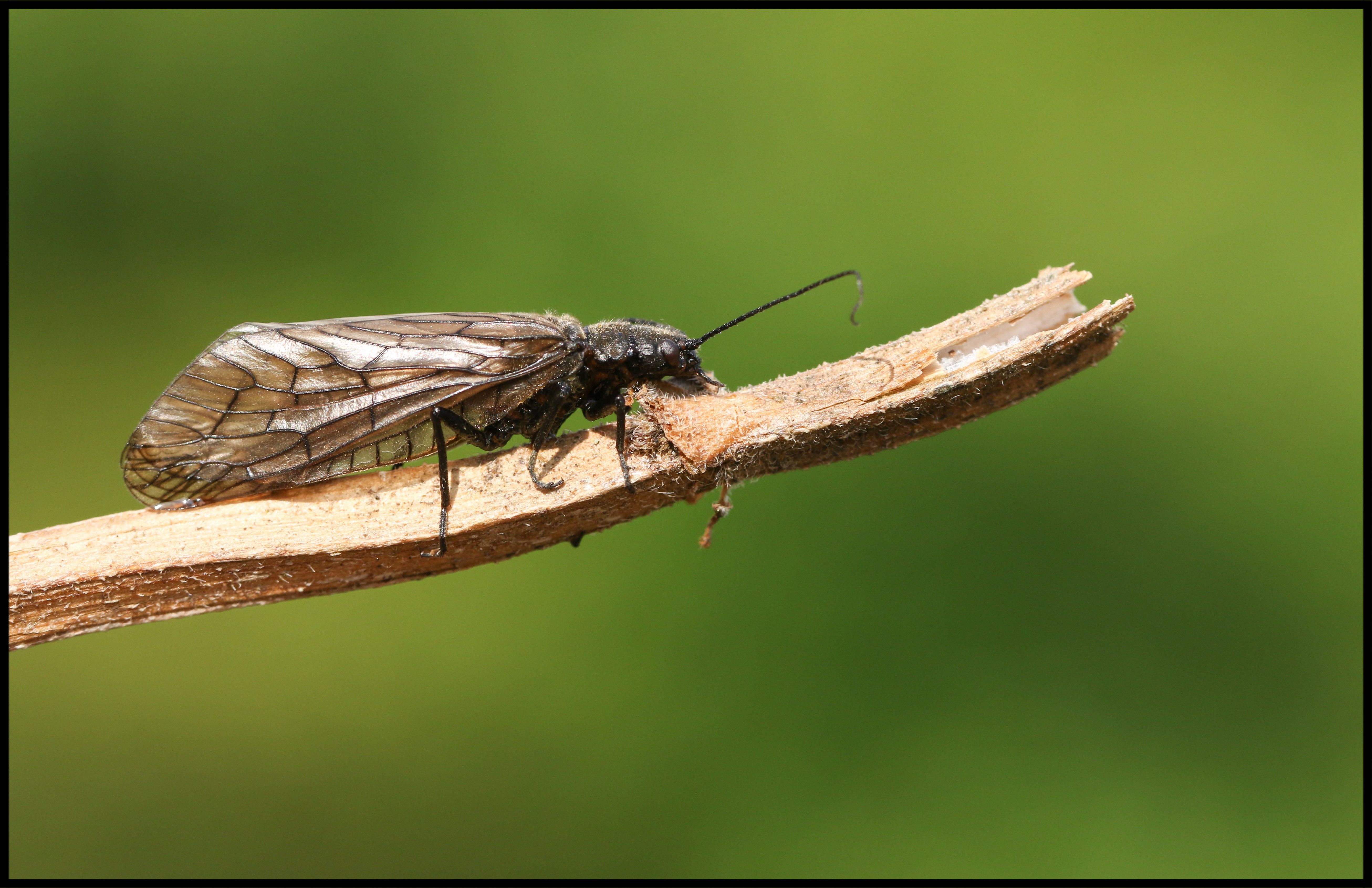
What is it?
There are around 30 distinct Caddis/Sedge species found throughout the UK, Europe and Russia. These Caddis flies are known as "humpless case-maker Caddis flies". These flies are easily identified as they will generally be the only fly on the water, flying as if they are drunk (i.e. very haphazardly).
Please Note: You will often see these flies referred to as either Caddis or Sedge; they are both the same and are interchangeable as far as the fly angler is concerned.
Location(s)
They are found in every part of the British Isles. They can be especially prolific in Central, Southern and South West England; in Wales and Northern England (Ribble and Eden), and in parts of Scotland. Most Caddis flies are only found in running water; they prefer gently running water, so you do not usually find them hatching in very high and fast-flowing rivers. The various caddis flies usually start hatching at the beginning of April and will continue through until the end of September.
Caddis - Top Tips
Caddis (or Sedge) flies are best used in either the early or late part of the day, as this is when the flies are at their most active. These Caddis flies are deadly in the smaller sizes just at twilight!
When fishing with a Caddis fly, it's always worth giving it a little twitch every now and then if you are not getting attention from the fish. When you watch the naturals, their flight is very haphazard and they always land on the water with quite a commotion - they are not the daintiest of movers! Keep this in mind when covering rising fish.
When do trout take them?
Trout will take Caddis in any one of its three stages (nymph, emerger and dry). Caddis will generally hatch during the warmest part of the day (anytime between midday and 3pm), so this is when to try an emerger pattern. Caddis usually hatch from shallower water and don't give the trout much of a chance to intercept them on their way to the surface. The best time to use a caddis imitation is either in the evening or in the early mornings when the adult females return to the water to deposit their eggs - time to give your new flies a try. These flies should be fished as you would any other dry fly, and they should be used as soon as you start to see the insects on the water; this can be anytime from about 18:00 until after dark and very early in the morning.
Tight lines.